For web design and maintenance I regularly work with Martijn of 072DESIGN. I focus on how findable a site is, and 072DESIGN (in Dutch) takes care of the technical side behind it. I talked to Martijn about website maintenance: what it involves and why it has to happen regularly. His answers below are translated from Dutch.
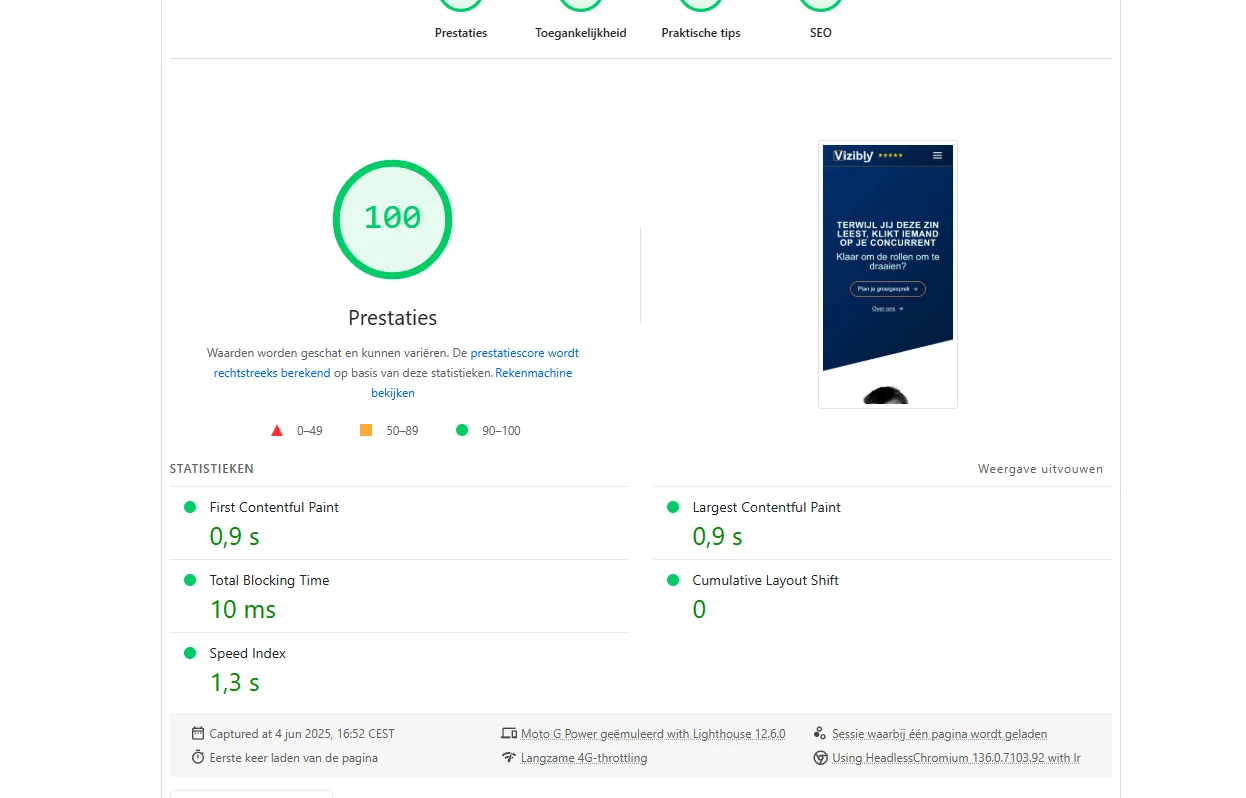
“When it comes to performance, maintenance makes a clear difference. On websites that load slowly or throw error messages, visitors drop off faster, and that's not good for your positions in the search results.”
Maintenance starts after launch
You'd think the work is done as soon as your new website is live. “That thought is understandable, but in practice it's wrong,” Martijn explains. “A website is a living digital system that needs continuous maintenance.”
He compares it to maintaining a car. “Without regular upkeep, chances are that problems will come up sooner or later, often at the worst possible moment. Think of a contact form that no longer forwards messages, slow load times that scare visitors off, or worse: a security hole that gets your website hacked.”
What maintenance involves
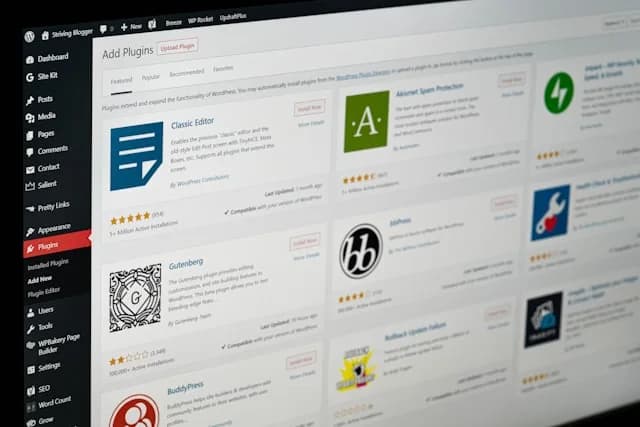
When it comes to website maintenance, many people think of “clicking a few updates”. That doesn't cover it. Many sites run on a CMS, the system you manage the site in. “These platforms are built modularly, with themes, plug-ins and extensions that developers keep updating,” Martijn says.
So good maintenance means you update the CMS regularly, check plug-ins for security and for whether they still work together, install security patches and keep an eye on load times. “On top of that, the internet is constantly changing. New browsers, stricter regulations and updates in search algorithms all affect how your website works.”
Why an outdated site is a security risk
A site that isn't kept up to date falls behind on security. “Many websites are built on popular platforms with open source code. That makes them flexible, but also vulnerable: as soon as a security hole is discovered somewhere, bad actors can exploit it on a large scale,” Martijn warns.
Without maintenance, the chance of hacks, spam, malware and data leaks goes up considerably. That matters even more if your site handles personal data, for example through a contact form or an online store.
Maintenance as an SEO factor
Your findability is tied to it as well. “When it comes to performance, maintenance makes a clear difference,” Martijn explains. “On websites that load slowly or throw error messages, visitors drop off faster. Google also takes technical performance into account when determining your position in the search results.”
If you keep your site fast and easy to use on a phone, you're also working on your SEO.
Do it yourself or outsource?
You can do website maintenance yourself, but often you can't keep it up. “Not because it's technically impossible (there are plenty of manuals out there), but because it takes knowledge, structure and time,” says Martijn. “And in a busy work week, maintenance tends to sink to the bottom of the priority list. Until it goes wrong.”
“The frustrating thing is that many problems could have been prevented with regular maintenance,” he notes. “And the cost of recovery after, say, a hack is often much higher than preventive maintenance would have been.”
What good maintenance gets you
With good maintenance, your website stays fast and secure. “On top of that, a well-maintained website is ready for the future (in Dutch),” Martijn stresses. “New functionality can be added more easily, without the technical foundation wobbling.”
To wrap up, Martijn says: “A website is not a one-off product, but an ongoing process. Regular maintenance is not a luxury, but a necessity. With good maintenance you protect your investment and make sure your digital business card always performs at its best.”