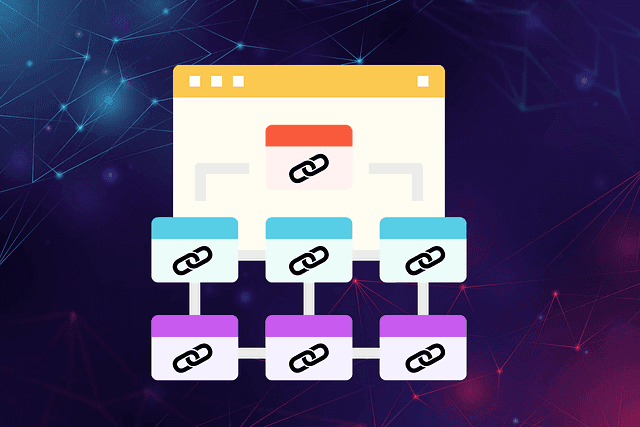
Link building is about other websites linking to yours. Google reads such a link as a recommendation, and AI search engines increasingly do the same. The more relevant, trustworthy sites point to you, the more seriously you get taken. But buying links in bulk no longer works, and it can even hurt your site. Below you can read what does work in 2026 and what to watch for if you outsource it.
What is link building?
Link building means earning backlinks: links from other websites to yours. Search engines use those links to judge how trustworthy and relevant you are. A link is really a reference, and plenty of references from good sources tell Google there is something worth finding on your page. That makes link building one of the three pillars SEO rests on, next to technical SEO and content.
How Google reads backlinks
Think of a backlink as one site recommending another. When a respected trade website links to you, it is like an expert recommending you to their own readers. Google counts those recommendations too. A link from a relevant site with its own visitors counts heavily, while a link from a thin, random page hardly counts at all.
Internal and external links
Two kinds of links matter. External links (backlinks) come from other websites and are the hardest to get, because you don't control them. Internal links are the ones you place yourself, between your own pages. That second kind is often forgotten, even though you can start on it right away. Internal links get their own section further down.
Why link building still counts in 2026
Link building has been declared dead for years. Still, backlinks remain one of the strongest signals search engines have, because a link is hard to fake. Anyone can write on their own site that they are the best. When others point to you, that says more. That stays true, even now that more and more people put their question to an AI.
What good backlinks do for you
Good backlinks do two things at once. They build trust with search engines, and that trust still carries a lot of weight in your rankings. They also send visitors who are already warm: someone who clicks through to your page from a relevant site arrives with a reason and with interest. Such a visitor is often worth more than a random click from the search results.
Link building and AI search engines
AI systems like ChatGPT, Perplexity and Google's AI Overviews take their answers from sources they consider trustworthy. Whether you are such a source depends largely on the same signals as in classic SEO: backlinks, mentions of your brand and proof that you know your field. If sources in your field mention and link to you often, an AI is more likely to cite you. Authority is therefore becoming more important, if anything. How to aim at those AI answers is covered in getting found by AI.
Telling good links from bad ones
This is where link building often goes wrong. One link from a respected trade website is worth more than ten links from obscure blogs. Chase numbers, and you end up with a link profile that looks impressive in an SEO tool but doesn't help your rankings, and sometimes even carries risk.
What makes a link strong
A strong link usually comes from a site that fits your topic, that can be trusted itself and that has its own visitors who can click on the link. A link in the middle of a text about your subject counts for more than a passing mention in a footer.
Which links you're better off skipping
Bad links come from spam sites and link farms: networks of sites that exist only to sell links. They are cheap and quick to get. Search engines know those patterns too, and a profile full of bought junk can actually push your visibility down. So only build links you earn, and keep an eye on your link profile so you spot strange, unrequested links in time.
How I handle link building myself
I don't sell link packages and I don't promise a fixed number of backlinks a month, because a fixed monthly delivery clashes with everything above. I build content and tools that other sites want to link to on their own. That is slower, but such links stay in place and count.
Three ways to earn links
The idea is simple: you make something people like to refer to. That takes more work up front, and it gives you links that carry no risk. In my SEO approach this runs alongside the content and the technical side of your site, as part of the same work.

Content and tools others link to
Some content attracts links on its own. Think of an industry study with figures that appear nowhere else, a clear explanation of something complicated, or a handy calculator. Someone writing something who wants to point to a figure or a source links to the place that shows it first or most clearly. A good tool works the same way: if it solves a problem, it gets shared and linked. My Vizibly System is built on that idea: it keeps adding this kind of content and tools to your site.
Digital PR and mentions by specialists
Digital PR is about stories and expert commentary that bigger sites like to pick up. If you have a figure of your own or a firm opinion about your trade, that can earn a mention on a site with a lot of reach. Interviews, podcasts and roundup articles with several experts work the same way: you share your knowledge and get a mention or a link in return.
Outreach: approaching the right sites yourself
Sometimes you have to approach a site yourself, and that is called outreach. It only works if you have something relevant to offer. Start with a short check of your own link profile and see where competitors get their links. Then approach the sites where a link makes sense, with a concrete reason why your content adds something for their readers. That is usually only a handful of sites. Afterwards, keep track of which links come in and which disappear again.
Internal links are in your own hands
You have internal links completely in your own hands, and still many sites leave gains on the table there. With internal links you steer how Google reads your site and which pages it considers important. It mostly takes attention.
Silo structure and topical authority
Group your pages by topic and link them to each other; that kind of setup is called a silo structure. It shows that you cover a theme in full breadth. SEOs call that topical authority: being the go-to source on a subject. How to build it with content clusters is covered in detail in content clusters and building topical authority.
Descriptive anchor text
The anchor text is the visible, clickable text of a link. Make it descriptive, so that a reader and Google both know where the link goes. A link reading “outsourcing link building” says more than a link reading “click here.” Don't cram your keyword in everywhere: write the link the way you would say it to a person.
Give your most important pages the most links
The pages you use to bring in clients deserve the most internal links. That gives Google a clear signal about what matters most on your site. Walk through your site with that in mind: do your internal links point to your sales pages, or do they get stuck in stand-alone blog posts?
NAP citations and local authority
Mentions without a link count too. NAP citations are the best example, especially if you look for clients in your own region.
What are NAP citations?
NAP stands for Name, Address, Phone: your business name, address and phone number. A NAP citation is any place on the internet where those details appear, for example in business directories and on review platforms. Do make sure they are the same everywhere. When the exact same name, address and number appear everywhere, that is a trust signal, even without a link to your site.
Where to build citations
Think of industry directories that fit your trade, local and regional business directories, review platforms and large aggregator sites with business details. If you run a local business, those citations are part of the basis of your findability in the region. How to build that local visibility further is covered in local SEO.
How long does link building take and how do you measure results?
Link building is long-term work. You usually only see the first effects after a few months, and after that the effect stacks up the longer you keep at it. Anyone promising quick results is almost always selling the kind of links you want to avoid.
You measure whether it works by what the links deliver. Look at your rankings for the keywords that matter, at your organic traffic and at the inquiries and clients that come out of it. An authority score from an SEO tool is handy as a gauge, nothing more. That is why link building in my work sits in the same monthly loop as everything else: measure, improve and measure again.
Outsourcing link building: what to look for and what it costs
Link building takes time and it requires knowledge of your market. So it makes sense if you'd rather outsource it. The question then is to whom, because the quality of what's on offer varies widely.
What to look for in a link building provider
Always press for the sources. A good provider tells you where the links come from and why they are relevant to you. Watch for these points:
- Openness: you get the list of sites that will link to you.
- Relevance: a few links from sites in your field do more than a package of fifty weak ones.
- No private networks: links from a network of sites that exists only to sell links are exactly the junk you want to get away from.
- Attention to your link profile: a serious provider also keeps track of whether harmful links come in.
What does link building cost?
That varies enormously, and any fixed price list is suspect. Single placements range from a few dozen euros for something weak to hundreds of euros for a strong, editorial link on a site with reach. Monthly programs and digital PR cost more, because there is more work in them. Treat amounts you come across online as an indication, and be wary of strikingly cheap links: there is usually junk behind them. I don't work with link packages or guaranteed results, because they don't fit how good links come about.
Outsource it or do it yourself?
Doing it yourself is easy to defend if you have a small budget and already have strong content on your site. Internal links, a few good citations and content worth linking to are things you can take on yourself with some time. Outsourcing pays off once you want to grow seriously and lack the time or the knowledge to do it well. If you're unsure about the broader trade-off, the page on outsourcing SEO will help you further.
Frequently asked questions about link building
What does link building involve?
Link building is earning backlinks: links from other websites to yours. Search engines read those links as recommendations and use them to judge how trustworthy and relevant you are. The quality and relevance of the linking site matter more than the number of links.
How much does link building cost?
That varies widely and depends on your market and the quality you're after. Single links cost anywhere from a few dozen to several hundred euros, and monthly programs cost more. You're better off skipping strikingly cheap links: they more often do harm than good.
What are the 3 pillars of SEO?
SEO rests on three pillars: technical SEO (your site is fast and easy for search engines to read), content (copy that answers the visitor's question) and authority (links and mentions that build trust). Link building belongs to that third pillar.
Is link building still relevant in 2026?
Yes. A link is hard to fake, which is why backlinks still carry a lot of weight with search engines. AI search engines also look at links and mentions when they choose which sources to cite. With the arrival of AI, authority has if anything started to count for more rather than less.
Can link building harm my website?
Yes, if you go about it the wrong way. Links from spam sites, link farms or bought networks can push your visibility down. So only build links from relevant sources and look at your link profile regularly, so you notice harmful links in time.
No time to keep this up?
Most of the work in link building is in keeping it up, month after month. My own Vizibly System continuously builds the content and tools that sites link to on their own, and keeps an eye on your findability. Start with the free SEO checker, or request a proposal for your site.
CHECK YOUR SEO FOR FREE