On November 10, Google started rolling out a major update to its search engine. It was finished on November 24. An update like this comes a few times a year. Below you can read what changed this time and what follows in December.
At a glance
| Name | November 2026 core update |
|---|---|
| Rollout | November 10 through 24 |
| Scope | All countries and languages |
| Biggest shift | November 13 and 14, on the websites I manage |
| What stands out | Explainer articles got fewer visitors, product and service pages held their position |
| Next update | Announced for December |
What changed
The shift happened between November 13 and 14. It shows in the numbers of the websites I manage.
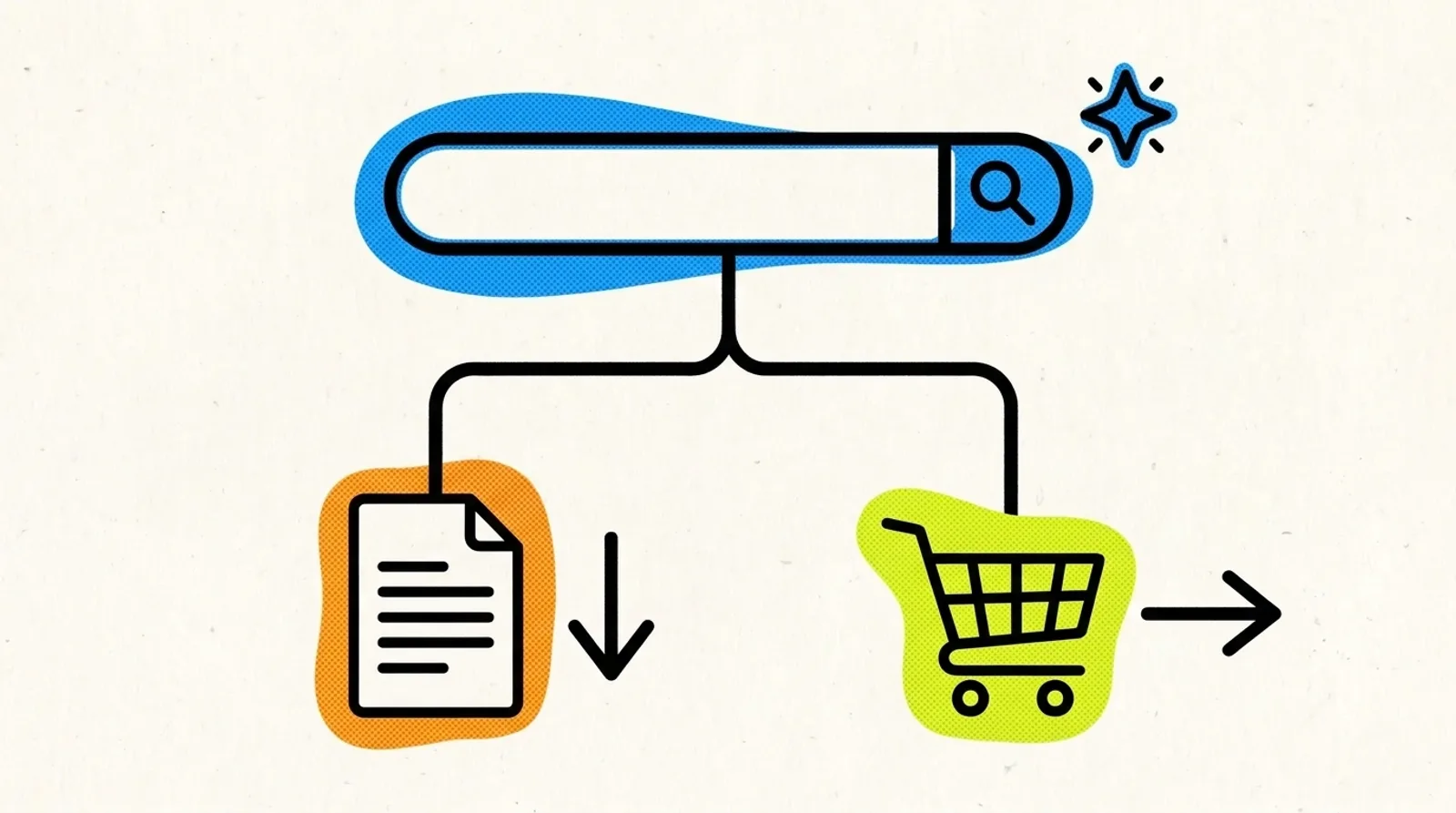
Explainer articles got fewer visitors. Those are the pages that answer a question, such as “how does this work” or “what do you do when that happens.” The pages where someone buys something or sends a request held their position. So on these websites the difference was in the type of page, and not in the website.
| Type of page | Example | After the update |
|---|---|---|
| Explainer articles | “How does this work?” or “What do you do when that happens?” | Fewer visitors |
| Service and product pages | Your services, your products and your quote page | Held their position |
The update has only just finished. This is a first picture, and the numbers of the coming weeks will complete it.
Google answers more questions itself
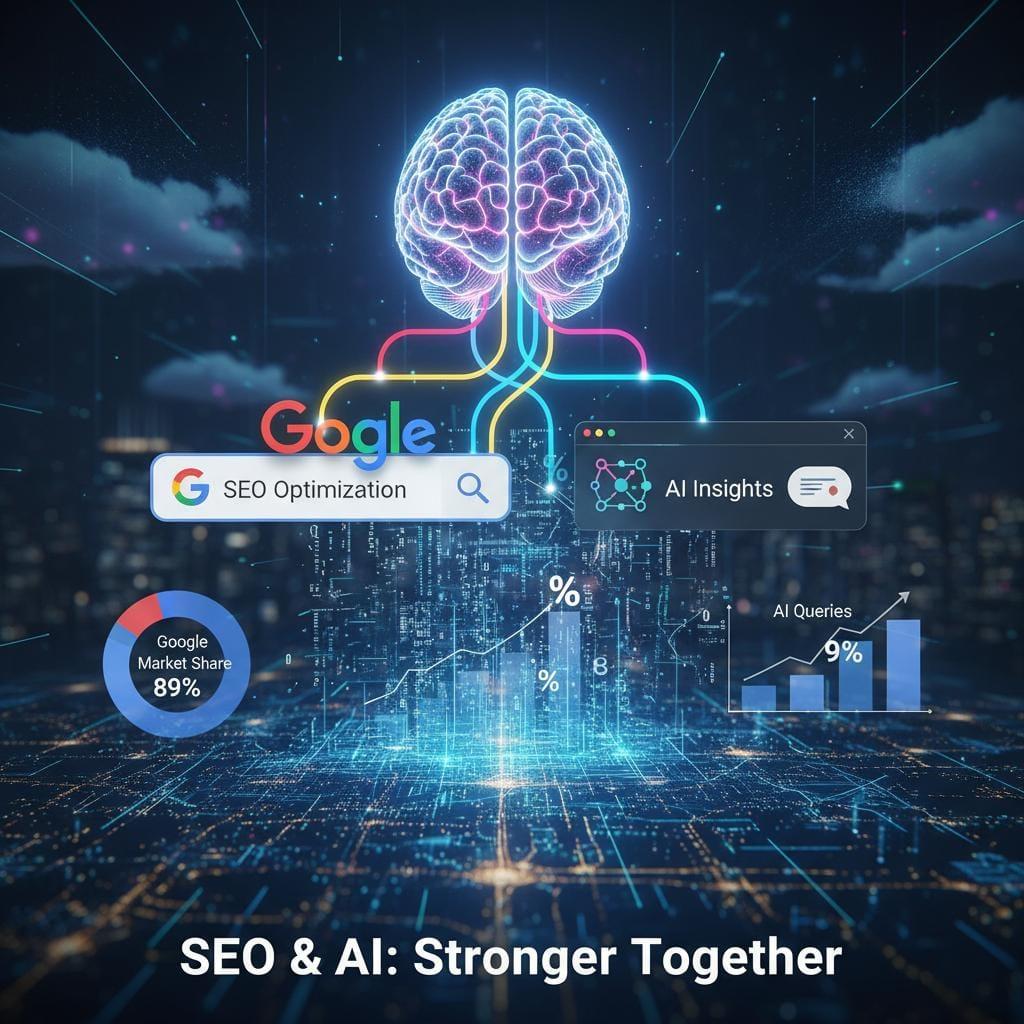
Google does not disclose why it ranks pages differently after an update. Alongside that, something has been going on for longer. More and more often, Google answers questions itself. Above the search results you then see an answer written by AI, put together from what websites say about the subject. Ahrefs measured in late 2025 that the top page gets 58 percent fewer clicks once an AI answer like that sits above it.
What this means for you
If you have seen fewer visitors in your numbers since mid-November, this update can be the reason. On the websites I manage, the pages where customers send a request or place an order are just as easy to find as before the update.
The AI answer names the websites it takes its information from. So your name can appear there. How to get there is covered in my article on getting found in ChatGPT, Gemini and Claude.
People keep looking for businesses
Someone who needs a dentist, a contractor or a supplier still wants to know who to turn to. AI does not change that. What changes is the place where someone asks the question. Next to Google, that is now also ChatGPT, Gemini and Google's own AI answer.
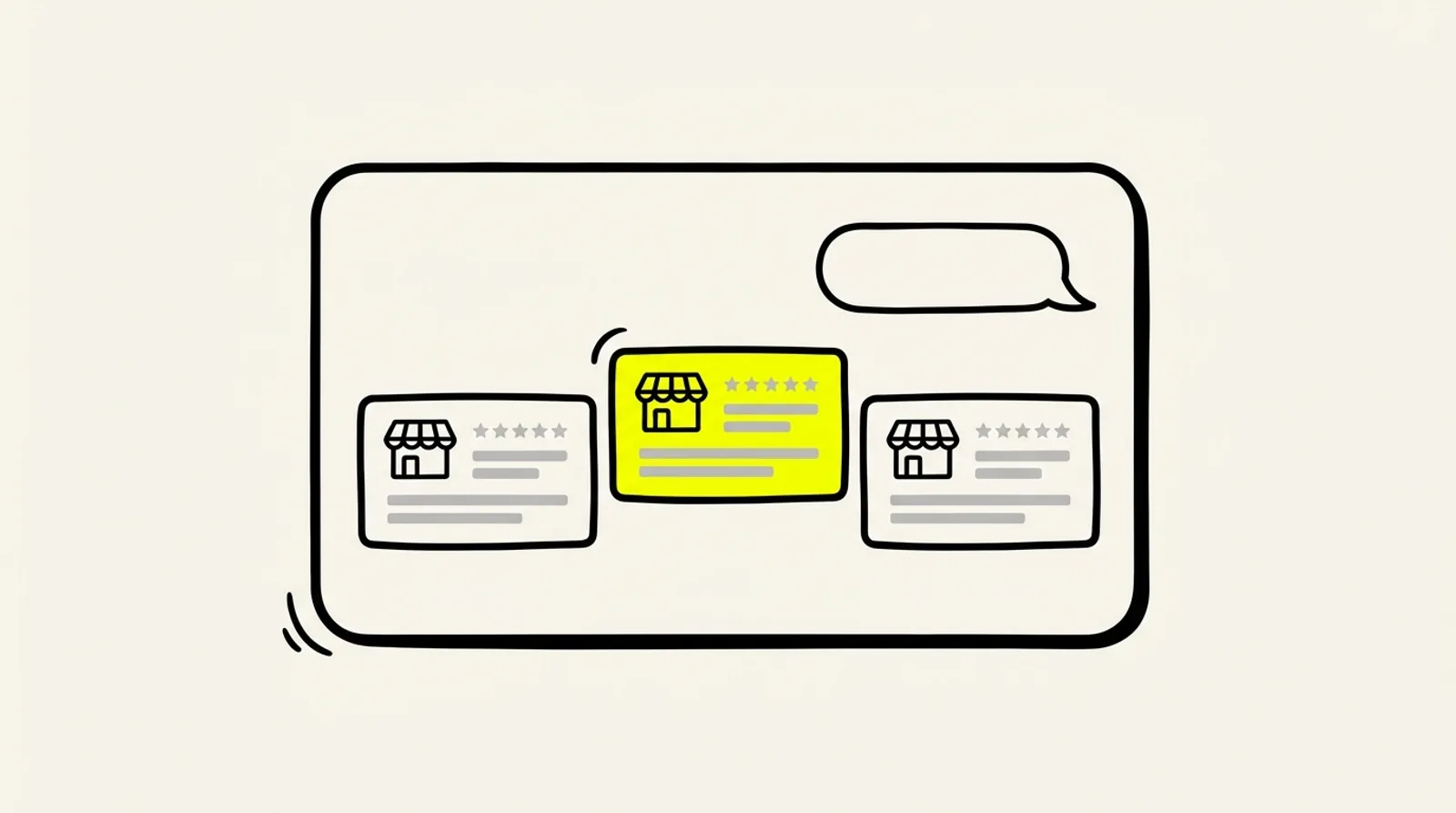
Those assistants mention businesses by name. Ask ChatGPT for a bathroom company in your area and you usually get a short list of names, with ratings and addresses. Someone who finds a business that way has already been given a first selection.
Being known counts for more and more
An AI assistant mostly mentions the businesses it already knows. That knowledge comes from everything there is to read and watch about a business: customer reviews, articles, videos, mentions on other websites.
Video and social media play a large part in that. Research by Ahrefs across 75,000 brands shows that businesses that appear often in YouTube videos are also mentioned more often by ChatGPT and in Google's AI answers. How often a business was mentioned weighed at least as much as the number of viewers. Instagram and TikTok work indirectly. Someone who sees you there a few times looks up your name in Google, writes a review or mentions you to someone else. That is how your name ends up in the places where an AI assistant reads it.
That is good news for businesses that know their trade. You do not need a TV commercial. A video that shows how you work, a customer who writes a review, a trade magazine that asks for your opinion: it all counts, and it keeps counting.
It does take time. A name is built over months, and an AI assistant only gets to know a new business once enough places write or talk about it.
What the coming period is about
Google remains by far the largest source of visitors and inquiries. Visits through AI assistants are still small, and they are growing, also on the websites I manage.
A business that makes clear what it does, for whom and where, and that customers and others talk about, gets found in Google and in AI. A business like that is also already known at the moment someone has a question.
For my clients, that makes the work broader. Next to the position in Google, I measure how often a business is mentioned in ChatGPT, Gemini and Claude, and which sources those assistants take their answer from. That is what I will be steering on in the coming months.
The next update follows in December
On November 24, Google announced a new update, for December. It is the first time Google has announced a core update in advance. That probably has to do with new rules from the UK regulator, which require Google to announce major changes to the search results ahead of time.
According to Google, this update is about understanding longer, more complex search queries and about personalized results. There is no start date yet.