On February 5, 2026, Google announced the first Discover core update on the Search Central Blog. It is the first core update that is only about Discover. The rollout starts with English-language users in the United States and will come to all countries and languages later.
What is Google Discover?
Google Discover is the personal feed of articles you see when you open the Google app, or a new tab in Chrome on your phone. You don't type anything for it. Google picks what you see based on your interests, your search history, your location and what you do in other Google services.
Discover mostly shows articles, news stories and videos. Because nobody types anything, there are no keywords to optimize for either, and that's where it differs from regular SEO. Google decides per user what is relevant.
For news sites, Discover has by now become the largest source of Google traffic. According to figures from NewzDash, 67% of Google traffic to news publishers came from Discover at the end of 2025, compared to 37% in 2023. The share of regular search results fell from 51% to 27% over that period.
What changes with this update?
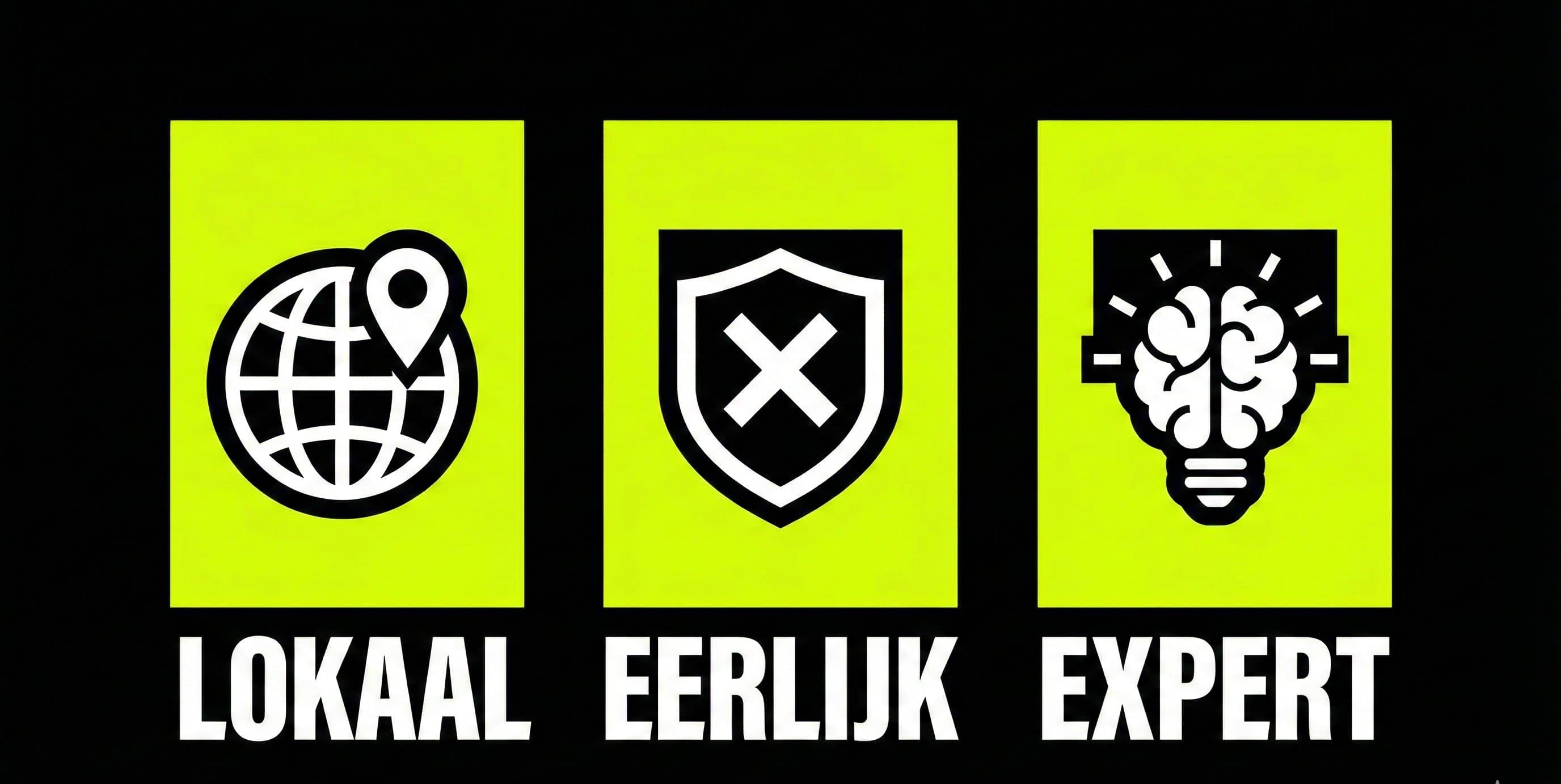
The update revolves around three pillars, and Google has put all three in the updated Discover documentation.
1. Local relevance
Google now shows more articles from websites in the user's own country. An American user will therefore see American publishers more often, and international sites that got a lot of Discover traffic from the US get less of it there.
2. Tackling clickbait and sensationalism
The words “clickbait” and “sensationalism” now appear verbatim in Google's Discover documentation for the first time. By that Google means misleading titles or images, deliberately withholding information to make people curious, and content that plays on outrage or morbid curiosity. Articles like that now sink in Discover.
3. Expertise per topic
For smaller sites this is the most interesting change. Google now judges expertise per topic, and no longer for your whole domain at once. Google gave an example itself: a local news site with a regular gardening section can have expertise in gardening. You don't have to be a large media company for that. If you have demonstrable knowledge of one topic, your articles on that topic can show up in Discover.
That ties in with topical authority through content clusters: you write regularly and thoroughly about your own field, so that over a longer period Google sees what you know.
Important: this update only affects Discover
If your positions in the regular search results shift in the coming weeks, that isn't because of this update, since it has no effect on Google's search results.
The difference between Discover and regular search traffic
With regular search traffic, someone types a search. You optimize for keywords, search intent and technical setup, and the traffic that produces is fairly stable and predictable. With Discover there is no search. Google picks the articles with machine learning, based on user behavior: earlier searches, browsing history, location and what someone watches on YouTube. Discover traffic is therefore unpredictable and can swing sharply from day to day.
So see Discover as extra traffic on top of your regular search traffic. You build your SEO strategy on the search results, because that's where you can steer toward what people search for.
You'll find your Discover numbers in Search Console
Google Search Console has a separate Discover report. You'll find it under Performance, next to “Search results.” It shows clicks, impressions and CTR, filterable by date, page and country. The data goes back 16 months.
Not every site has this report. It only appears once your site has had enough Discover impressions in the past 16 months. If you don't see the report, you get little to no traffic from Discover, and that's normal for many business websites. Discover mostly works for sites that regularly publish timely articles with strong images.
What works well in Discover?
Discover mostly shows what is happening now, so articles about ongoing trends and recent developments do well. Google looks for original insights, such as your own analysis or figures you collected yourself. A rewritten press release or a summary made by AI doesn't count.
Expertise per topic counts in the feed too. A plumber who writes thoroughly about water pipe problems has a better chance than a general site that says something about everything.
Discover is also a visual medium. Use sharp images at least 1200px wide, because small or blurry images lower your chances. Set max-image-preview:large in your robots meta tag, otherwise Google can't show your images as a large preview.
The page itself counts too: Google now names page experience outright in the Discover documentation. Lots of ads, videos that start playing on their own and slow load times work against you. The same goes for clickbait titles that promise more than the article delivers, sensational pieces and generic listicles without depth.
The first effects of the update
The update is being rolled out in phases and the first swings are big. Some site owners report that their traffic has largely disappeared, while other sites are showing up in Discover again after a long time. You see that more often with core updates: Google resets the balance, and sites that drop notice it right away.
Discover is going to show more articles from people who really know their topic, with titles that deliver on what they promise. If you write regularly about your own field, that works in your favor.
What you can do yourself now
If you often publish timely articles, such as blog posts, news or analyses, start with the Discover report in Search Console. If you have that report, keep an eye on it in the coming weeks. If your impressions or clicks change a lot, the update is affecting your content.
Look critically at your headlines: do they say what's in the article, or do they promise more than the article delivers? The second kind is sinking now. Build expertise by writing regularly and thoroughly about your own field. Use images at least 1200px wide, and keep your technical SEO in order, with a fast page and few ads.
Don't turn your site upside down in a panic while the update is still running. Wait until it's done, then check your numbers to see what changed and adjust based on that.
Find out where your Google traffic comes from
In an SEO analysis I look at your traffic from Discover and from the regular search results, and at the opportunities you're leaving on the table now. Call me at +31 6 282 064 10 or schedule a call.
SCHEDULE A CALL